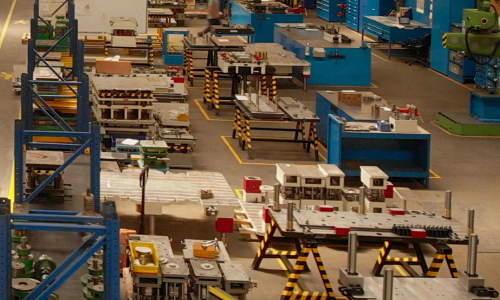
Plant-to-Enterprise Integration
Connect shop-floor, ERP, CRM, and data platforms so production, inventory, order, and service updates move with less manual reconciliation.


Connect ERP, CRM, shop-floor, supplier, and service systems so teams reduce manual work, improve visibility, and move faster without disrupting core manufacturing operations.
ProwessSoft helps manufacturers connect ERP, CRM, shop-floor, supplier, service, and data systems so teams can reduce manual handoffs, improve visibility, and act faster across business-critical workflows.
We design integration around the business flow, not just the interface. That means connecting the systems that drive orders, inventory, suppliers, production, service, and customer commitments.
The result is less manual reconciliation, fewer delayed handoffs, and clearer operational visibility for IT, operations, supply chain, sales, and service teams.
ProwessSoft focuses on the workflows where disconnected systems create visible business friction: delays, duplicate effort, late visibility, and higher change cost.
Connect shop-floor, ERP, CRM, and data platforms so production, inventory, order, and service updates move with less manual reconciliation.
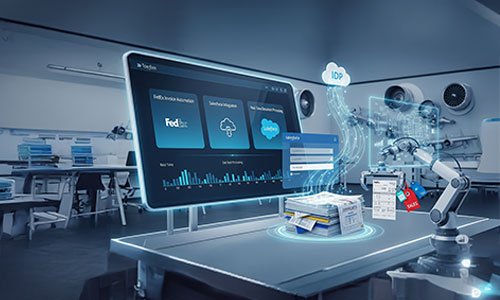
Move brittle point-to-point flows into API-led architectures that are easier to govern, scale, and maintain.

Automate routing, approvals, alerts, supplier onboarding, and exception handling so teams spend less time chasing updates.
Synchronize account, order, pricing, inventory, production, and service data across systems so sales, operations, and service teams work from a more reliable view.

Build governed, reusable integration layers across platforms such as MuleSoft, SAP, Salesforce, Kafka, TIBCO, Boomi, and Informatica.

Keep integration platforms stable after launch with support, monitoring, improvement, and modernization paths that reduce operational risk over time.

Roadmap, architecture, governance, and reusable API design for manufacturing integration programs.
Data synchronization across SAP, Salesforce, and related enterprise platforms.
Move operational and enterprise data into dashboards, analytics, and workflow systems.
Modernize older middleware and point-to-point integrations into scalable integration patterns.
Automate validation, approvals, notifications, and exception handling across high-friction workflows.
Keep platforms stable with monitoring, support, optimization, and continuous improvement.
A manufacturing integration engagement improved visibility and proactive alerts, reducing manual intervention by 40%.
Legacy modernization proof shows 30% migration cost savings and more than $2.2M in annual maintenance savings.
A scalable integration approach helped the business deliver changes faster and respond with greater agility.